How to invest money in 2026: the options, ranked by risk
No picks and no promises. A plain map of where money can go in 2026, from 4% cash to volatile crypto, what each pays now, and what it costs you in risk.

There is no single answer to where you should put your money in 2026, and anyone who gives you one is selling something. What this year actually hands you is a menu with a clear floor. Cash, Treasury bills, and inflation bonds pay around 4% right now with almost no risk. That number is the hurdle. Every other option on the list is the market paying you a little more, in exchange for taking on a specific risk that someone else wanted off their plate.
So the useful way to read the menu is not "what has the best return." It is "what am I being paid to hold, and can I live with the thing that can go wrong." This guide walks the options from the safest to the wildest: what each one pays as of July 2026, what actually threatens it, and the kind of person it tends to suit. No recommendations, no picks. A map, so you can find your own spot on it.
One caution runs through the whole thing. Inflation is running near 3.6% on the Fed's own 2026 forecast, which means the 4% floor barely keeps its value after prices. Real return, what is left after inflation, is the only return that feeds you. Keep that subtraction in mind at every rung.
The hurdle: about 4%, and why it matters
Before any option is "good," it has to beat the risk-free rate, the return you can get for taking essentially no risk. In 2026 that rate is roughly 4%, set by the Fed holding its policy rate at 3.5 to 3.75%. This is unusually high by the standards of the last fifteen years, and the Fed's June projections point to it staying put or rising, not falling.
That changes the math for everything below. When cash pays near zero, people reach for risk because they have to. When cash pays 4%, every riskier option has to clear a real bar first. If a stock fund or a rental property cannot plausibly beat 4% after costs and after inflation, the risk is not buying you anything.
The risk-free floor: cash, T-bills, inflation bonds
This is the bottom rung, and in 2026 it is not a bad place to stand.
High-yield savings. The best online savings accounts pay up to about 4.50% APY as of July 9, 2026, against a national average of 0.38%. The money is liquid and federally insured up to the limit. The catch is small: the rate is variable and has started drifting down, with nine of a tracked set of accounts cutting their APY since early June. It suits an emergency fund or money you might need this year.
Treasury bills and money-market funds. Short-term US government debt pays close to the policy rate, around 4%, and is backed by the Treasury. Money parked here is about as safe as a dollar gets while still earning. It suits cash you want safe but working.
I Bonds. Treasury savings bonds tied to inflation pay a composite 4.26% for bonds bought May through October 2026, built from a 0.90% fixed rate plus an inflation adjustment. They protect purchasing power by design, but you lock the money for a year minimum and lose three months of interest if you sell within five years. They suit long-horizon savings you want shielded from inflation.
The honest read on this whole rung: it pays about 4%, inflation takes most of it, and what you are really buying is safety and liquidity, not growth.
One step up: longer bonds and TIPS
Stretch the time horizon and you can lock today's rate for years instead of months, which matters if rates later fall.
The 10-year Treasury yields 4.568% as of July 10, 2026, its highest since May. Buying it locks that yield for a decade. The risk is duration: if rates rise further, the market price of your bond falls, and you only get the full deal by holding to maturity. Inflation-protected Treasuries, TIPS, offer a real yield of about 2.28% on top of inflation, which is high for that instrument and a clean way to lock a return above inflation without guessing where prices go.
Bonds suit money with a multi-year horizon where you want a known return and can sit through price swings. The trade you are making is time for certainty.
Stocks and index funds: the long-run engine, priced high now
Over long stretches, a broad basket of US stocks has returned more than any option above it. That is the case for owning them. The case for caution in 2026 is the price you pay to get in.
The S&P 500 sat at 7,575 on July 10, 2026, up about 9.3% on price for the year, with the Nasdaq up around 29%. The engine has been earnings, with Q2 profit growth running above 20%. The pressure point is valuation: the index's forward price-to-earnings ratio is 20.4 against a 10-year average of 19.0, so you are paying a premium to history for those earnings. A low-cost index fund is the standard way most people hold this, spreading the bet across hundreds of companies instead of picking, which is the same vehicle behind the record 401(k) balances built over the last decade.
The risk is real and it is not subtle. Stocks have dropped 30% to 50% several times in the last two decades, and a high starting valuation tends to mean lower returns and harder falls from here. This rung suits money you will not touch for many years, held by someone who can watch it halve without selling at the bottom.
Real estate: expensive to enter this year
Property is the option 2026 makes hardest to start.
The 30-year fixed mortgage averaged 6.49% on July 9, 2026, and US home prices hit an all-time high even as sales slowed, with existing-home sales down 2.4% in June. High prices and high borrowing costs at the same time is the worst entry combination for a buyer, and price-growth forecasts for 2026 cluster near flat, roughly 0 to 1.2%. That means little help from appreciation to offset the interest you pay.
Real estate can still work as a home you live in or as rental income at the right price, and it is a hard asset that holds up in inflation. But in mid-2026 the cost of entry is steep and the near-term price upside looks thin. It suits buyers with a long horizon and a reason beyond pure return, not someone chasing a quick gain.
Gold: the fear asset, at a record
Gold broke above $5,000 an ounce for the first time in January 2026 and has run up more than 18% on the year, pushed by central-bank buying, a softer dollar, and geopolitical stress. It pays no interest and produces nothing, so its whole return depends on the next buyer paying more. That is also why it tends to rise when people are scared and fall when they calm down.
Gold suits a small slice held as insurance against a bad year for everything else, not as an engine of growth. Buying it at a record after an 18% run is buying strength, which cuts both ways.
Crypto and stablecoin yield: the volatile end
The top of the risk ladder. The total crypto market sat around $2.28 trillion in mid-July 2026, with Bitcoin near $64,000 and more than half the market's value. The potential return is the highest on this list, and so is the chance of a fast, deep loss. Crypto routinely swings more in a week than stocks do in a year.
There is a lower-volatility corner: stablecoins, dollar tokens that hold their value and can earn yield through lending or tokenized Treasury funds. Those yields run about 4 to 9%, but as we broke down in the honest version of stablecoin yield, every point above the 4% floor is a risk premium, not free money, and the dollar you earn on can itself lose its peg. This rung suits money you can afford to lose entirely, sized as a small position, held by someone who understands what they own.
How to read the whole ladder
Stack the rungs and a single idea explains all of them. The 4% floor is what you get for taking no risk. Everything above it, longer bonds, stocks, property, gold, crypto, pays more only because it carries a named danger: rising rates, a market crash, an illiquid house, a mood swing, a total wipeout. The extra return is the price of that danger, quoted live by the market. It is not a reward for being clever.
That reframes the question you started with. "How should I invest" becomes two smaller, answerable questions. How much return do I need above 4% to hit my goal, and which of these specific risks can I actually hold through a bad year without selling. Your honest answers to those two, not a tip, decide where on the ladder your money belongs. Most people end up spread across several rungs rather than on one, matching the money's job to the risk: this year's cash near the floor, this decade's money further up.
What to watch
Three things move the whole board from here. The Fed's next rate decision sets the floor every other option is measured against. June inflation data, out this month, tells you how much of that 4% inflation is quietly eating. And stock valuations at a premium mean the market has priced in good news, so the risk is what happens if the news disappoints. Watch those, size your risk to what you can hold, and treat any pitch promising a high return with no matching risk as the warning it is.
Sources
- Fortune, top high-yield savings rates (July 9, 2026)
- TreasuryDirect, I Bonds interest rates
- TIPS Watch, real yields on inflation-protected Treasuries
- SlickCharts, S&P 500 level, YTD return and valuation
- U.S. News, mortgage rates (July 9, 2026)
- U.S. News, home prices hit all-time high as sales slow (July 9, 2026)
- CNBC, gold above $5,000 an ounce (Jan 27, 2026)
- Coingabbar, crypto market data (July 11, 2026)
This is not financial advice.
More from Money
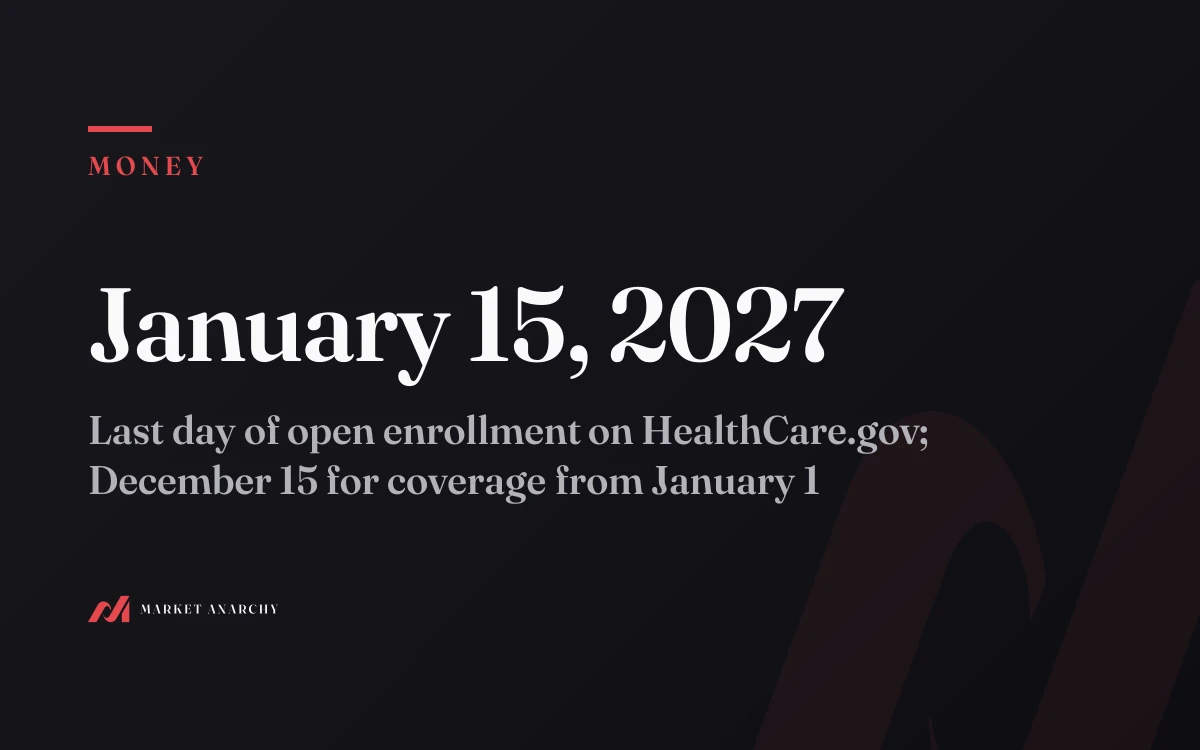
ACA open enrollment 2027: dates, income limits, what you'll pay
Open enrollment runs November 1 to January 15; the December 15 end was struck down. Above $63,840 one person gets no 2027 subsidy. What you'll pay.