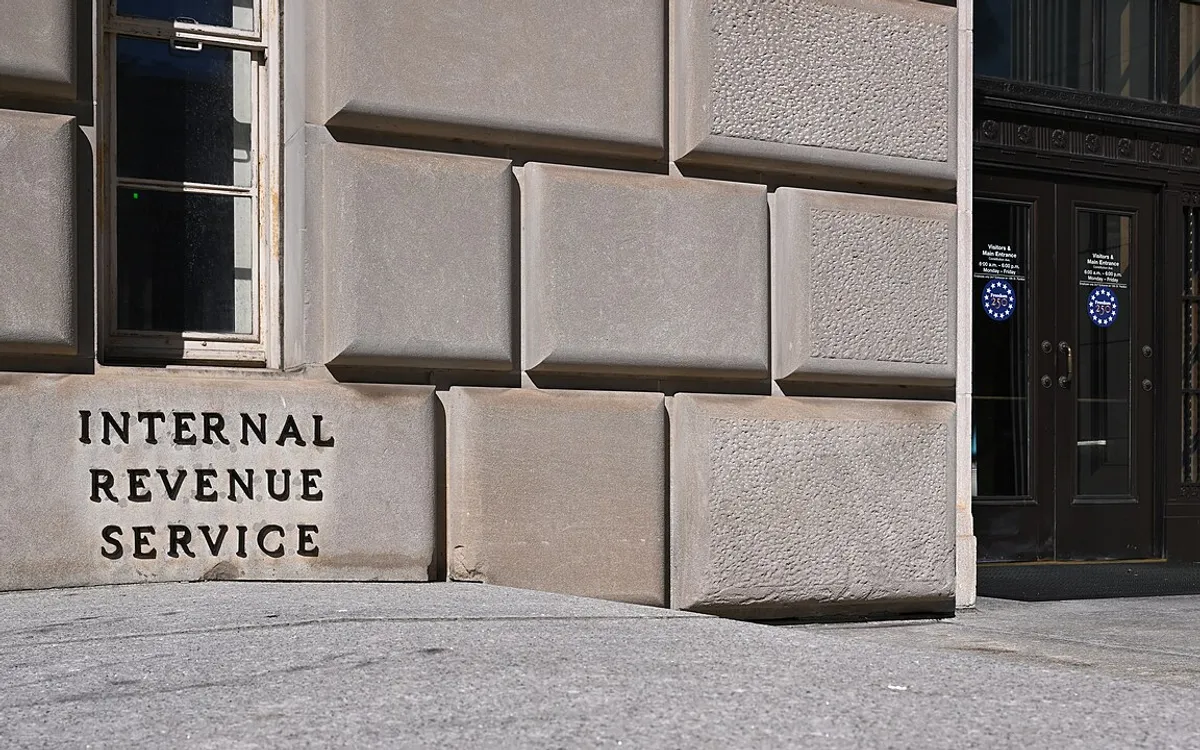

Most 401(k) plans are exempt from the new auto-enrollment rule
Treasury's final rule makes new 401(k) plans enroll workers at 3%. Any plan set up before December 29, 2022 is exempt. It reaches 2.2 million workers a year.
By the numbers
2.2Mworkers a year Treasury expects the rule to reach
81.6Mactive participants in 401(k)-type plans in 2023
Dec 29, 2022plans set up before this date never have to auto-enroll
3%minimum default, rising 1 point a year to at least 10%
$946of the $1,900 a year in new savings that comes from spending less
If your employer's 401(k) existed before December 29, 2022, the new automatic enrollment rule doesn't touch you. Treasury and the IRS finalized the rule on November 17, 2026, and the coverage read like every worker was about to be signed up at 3%. The final regulation itself, published in the Federal Register on November 18, lists seven exceptions. The biggest is every 401(k) and 403(b) plan set up before SECURE 2.0 became law.
Treasury's own estimate in that document: the mandate reaches about 2.2 million taxpayers and 31,600 plans a year, on average from 2023 to 2032. The Labor Department counted 81.6 million active participants in 401(k)-type plans in 2023, plus 7.1 million in 403(b) plans that file with it. Set against those 88.8 million, the rule reaches about 1 worker in 40 each year (our arithmetic on the two official counts).
So the question that matters for you is the year your plan started. About 686,000 401(k)-type plans filed reports for 2022, nearly all of them set up before the cutoff.
What the rule requires, for the plans it covers
A covered plan has to sign up every eligible employee automatically. The regulation sets the terms:
- Starting rate: at least 3% of pay and no more than 10%.
- Escalation: up 1 percentage point a year, until the default reaches at least 10%. The cap is 15%.
- Opt-out: you can stop contributions or pick another rate at any time.
- Refund window: you can ask for the automatic contributions back, with earnings, if you elect within 90 days of the first one.
- Investments: money you don't direct goes into a default fund that meets the Labor Department's rules.
The statute has applied to plan years beginning after December 31, 2024. The regulation's own rules apply from plan years beginning after December 31, 2027, and until then employers follow a good-faith reading of the law. The regulation takes legal effect on January 19, 2027.
The seven plans the rule never reaches
The regulation lists them in one paragraph:
- 401(k) plans established before December 29, 2022.
- 403(b) plans established before December 29, 2022.
- Government plans.
- Church plans.
- SIMPLE 401(k) plans.
- Plans of businesses in existence for less than 3 years, counting any predecessor business.
- Plans of businesses that normally employ 10 or fewer people. The duty starts with the first plan year that begins at least 12 months after the end of the first tax year in which the company passed 10.
Treasury's announcement didn't mention the December 29, 2022 cutoff. Local TV coverage listed the small-business, new-business, government, church and SIMPLE exemptions and left it out too. That cutoff covers the most workers, because it takes in nearly every plan that already existed.
The exemption is permanent with two exceptions. An older plan that merges into a newer one loses it, unless the merger follows an acquisition and finishes inside the transition window the tax code allows. And a company that joined a multiple-employer plan after December 29, 2022 is treated as if it had started its own new plan. The regulation also says that changing an old plan's features or widening who is eligible does not cost it the exemption.
If you're self-employed with a one-person 401(k), none of this applies either: a business of one is under the 10-employee line. Our guide to the solo 401(k) and the SEP IRA covers what those plans let you put away.
Where Treasury's $1,900 a year comes from
Treasury puts the rule's effect at $4.2 billion a year in added retirement savings, about $1,900 per affected worker. Its table splits that figure by source, and only half of it is people setting aside money they would otherwise have spent.
$946$662$284
View as table
| label | Treasury's $1,900 a year per affected worker, by source |
|---|---|
| Less spending today | $946 |
| Tax subsidy | $662 |
| Moved from other savings | $284 |
The $662 is the tax break on the new contributions. The $284 is money that would have been saved anyway, in another account. That leaves $946 a year in new saving that comes out of the worker's pay. That's a real amount. It is also half of the headline figure.
Treasury's model also expects a smaller jump in participation than the industry reports. In the plans the rule covers, Treasury expects participation to rise from 70% to 77%, and about half of employees to stay at whatever default the plan sets. Vanguard's How America Saves 2026 shows 94% participation in its plans with automatic enrollment in 2025, against 64% in plans where workers must sign up themselves. Vanguard's plans skew toward large employers, and 61% of them already enroll workers automatically without any mandate. Our read: the plans the rule catches are new and mostly small, and Treasury's lower number is the cautious one to plan on.
The 3% default can cost you part of your match
A plan meets the rule by starting you at 3%. Your employer's match may be built for more than that. Take a hypothetical worker on $60,000 whose employer matches dollar for dollar up to 6% of pay (our example, not a figure from the regulation):
- Year 1, at 3%: the worker puts in $1,800, the employer adds $1,800. Saving 6% would have brought another $1,800 of match.
- Year 2, at 4%: $1,200 of match left unclaimed.
- Year 3, at 5%: $600 left unclaimed.
- Year 4, at 6%: the default finally reaches the full match.
That's $3,600 of employer money missed over three years by a worker who never touched the setting. Plans may start higher: the rule allows up to 10%, and Vanguard reports that nearly two-thirds of its plans already default at 4% or more. Your enrollment notice states the rate and the match formula, and the notice must reach you before the default starts.
What to check this week
- Find the year your plan started. It's in the summary plan description and on the plan's Form 5500, which the Labor Department publishes. A plan that started before December 29, 2022 will not enroll you automatically unless your employer chooses to.
- If you're enrolled automatically, compare the default with the match. If the default is below the rate that earns the full match, raise it yourself.
- Know the 90-day window. If you need the cash, you can take the automatic contributions back within 90 days of the first one. After that, the money stays in the plan under the usual withdrawal rules. When you change jobs, our piece on automatic rollovers shows where small balances end up.
- Keep the 2027 limits in view. The employee limit rises to $25,500 next year, as we covered in the 2027 contribution limits. At 3%, the hypothetical $60,000 worker above puts in $1,800, far below it.
What would change this read
The 2.2 million figure is a Treasury projection built on tax data and Form 5500 filings. The count of new plans could beat it: 401(k)-type plans grew 5.6% in 2023, from about 686,000 to 724,700, after 6.4% in 2022, according to the Labor Department. From 2008 until 2021, yearly growth never passed 2.9%. Every plan opened after December 2022 falls under the rule, so if that pace holds, the share of workers covered rises every year. The workers in the 724,700 plans counted in 2023 stay where they are.
Sources
- Federal Register, T.D. 10061, Automatic Enrollment Requirements Under Section 414A, November 18, 2026
- US Treasury, Treasury, IRS Issue Final Rules to Help Hardworking Americans Build a Financially Secure Retirement, November 17, 2026
- US Department of Labor, Private Pension Plan Bulletin: Abstract of 2023 Form 5500 Annual Reports
- Vanguard, How America Saves 2026, June 16, 2026
- KPTV, What new automatic enrollment rules mean for your retirement savings, November 18, 2026
This is not financial advice.
More from Money
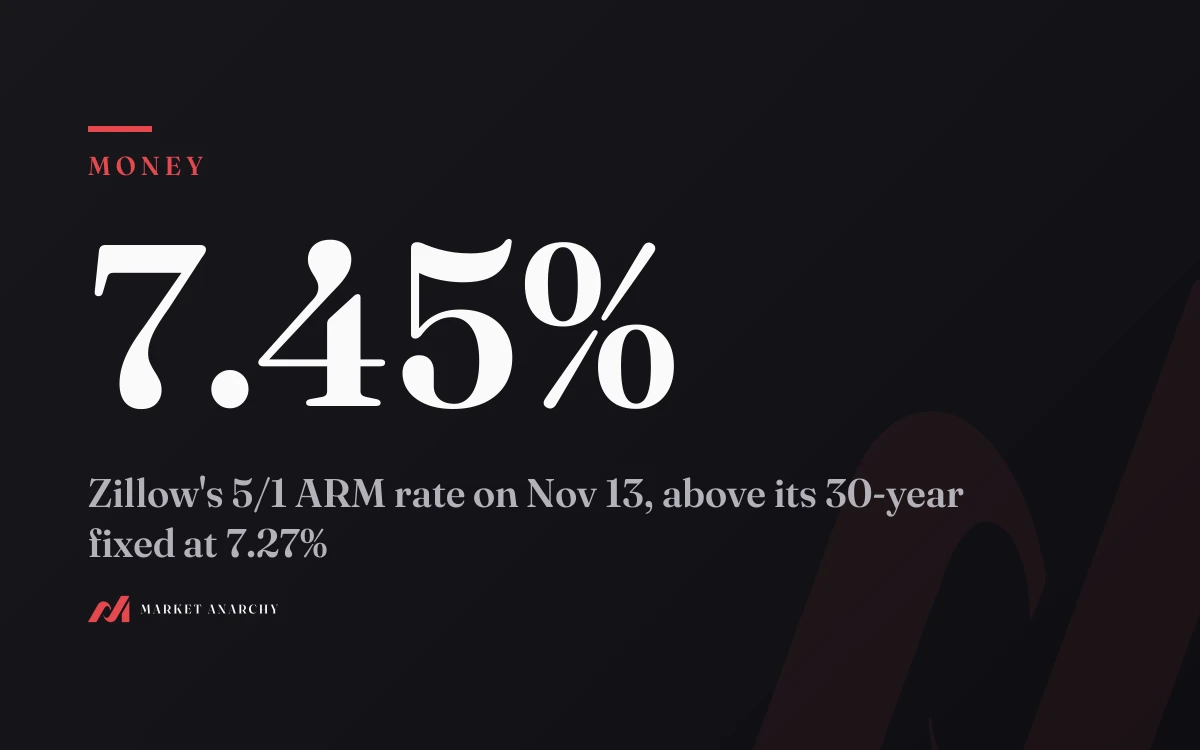
The ARM discount fell from a full point to almost nothing in two weeks
On Oct 30 a 5/1 ARM priced a point under a 30-year fixed and drew 11.4% of applications. By Nov 13 Zillow had the ARM higher. Here's what the reset costs.